
Engineering rarely fails because of a lack of tools.
The more difficult challenge is connecting disciplines — translating a design into hardware, integrating technologies into a functioning system, and ensuring that what was predicted performs as intended.
A simulation can tell us how a component should behave. Manufacturing determines what can actually be built. Integration reveals how components interact. Testing provides evidence of how the system performs.
The challenge is connecting these activities without losing the engineering intent along the way.
This is the thinking behind the next chapter of SIKKA Group.
Two Companies. Complementary Capabilities.
SIKKA Group brings together two engineering businesses with complementary strengths.
NFOTEC Digital Engineering operates in the digital domain, supporting engineering design, simulation and virtual product development. Its capabilities include computer-aided design, computational fluid dynamics, structural analysis, system simulation and related engineering technologies.
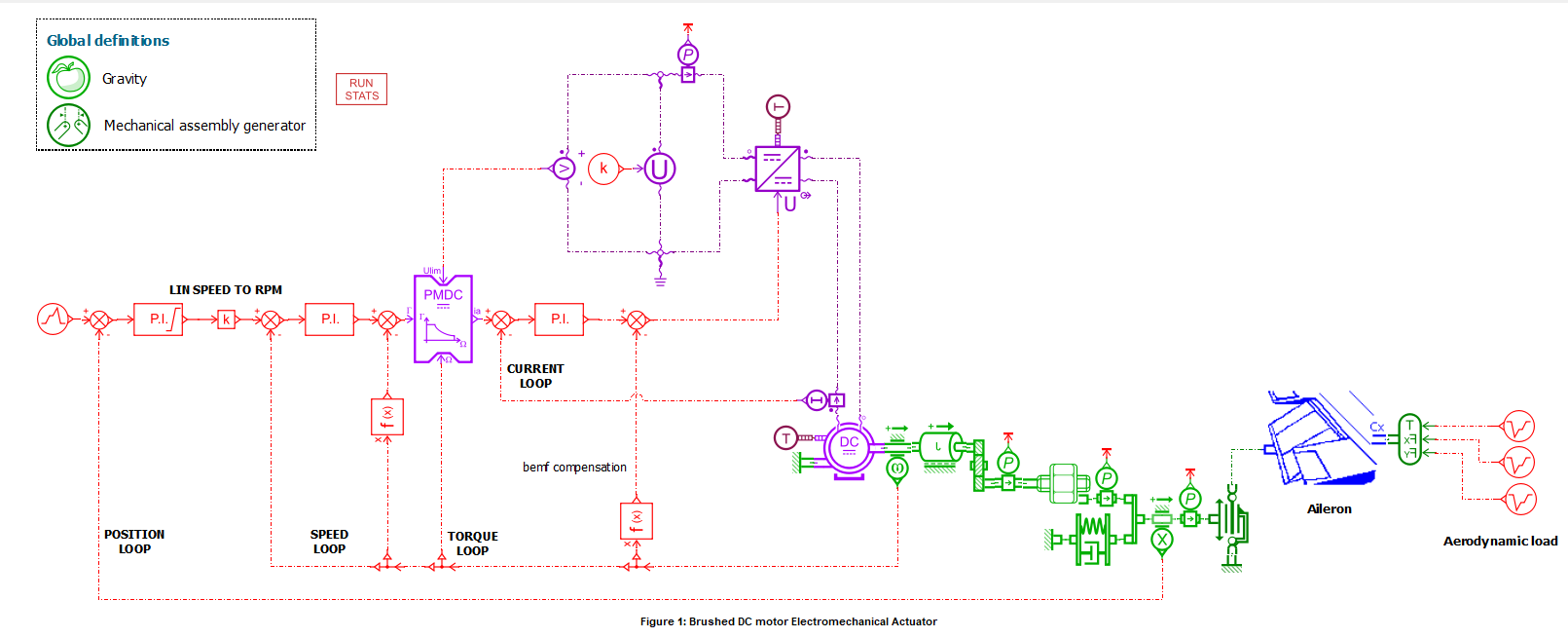
Tap the image to view it at full resolution.
MICRONEL Global Engineers works closer to the physical domain — engineering equipment, electromechanical systems, systems integration, manufacturing, testing and technical support.
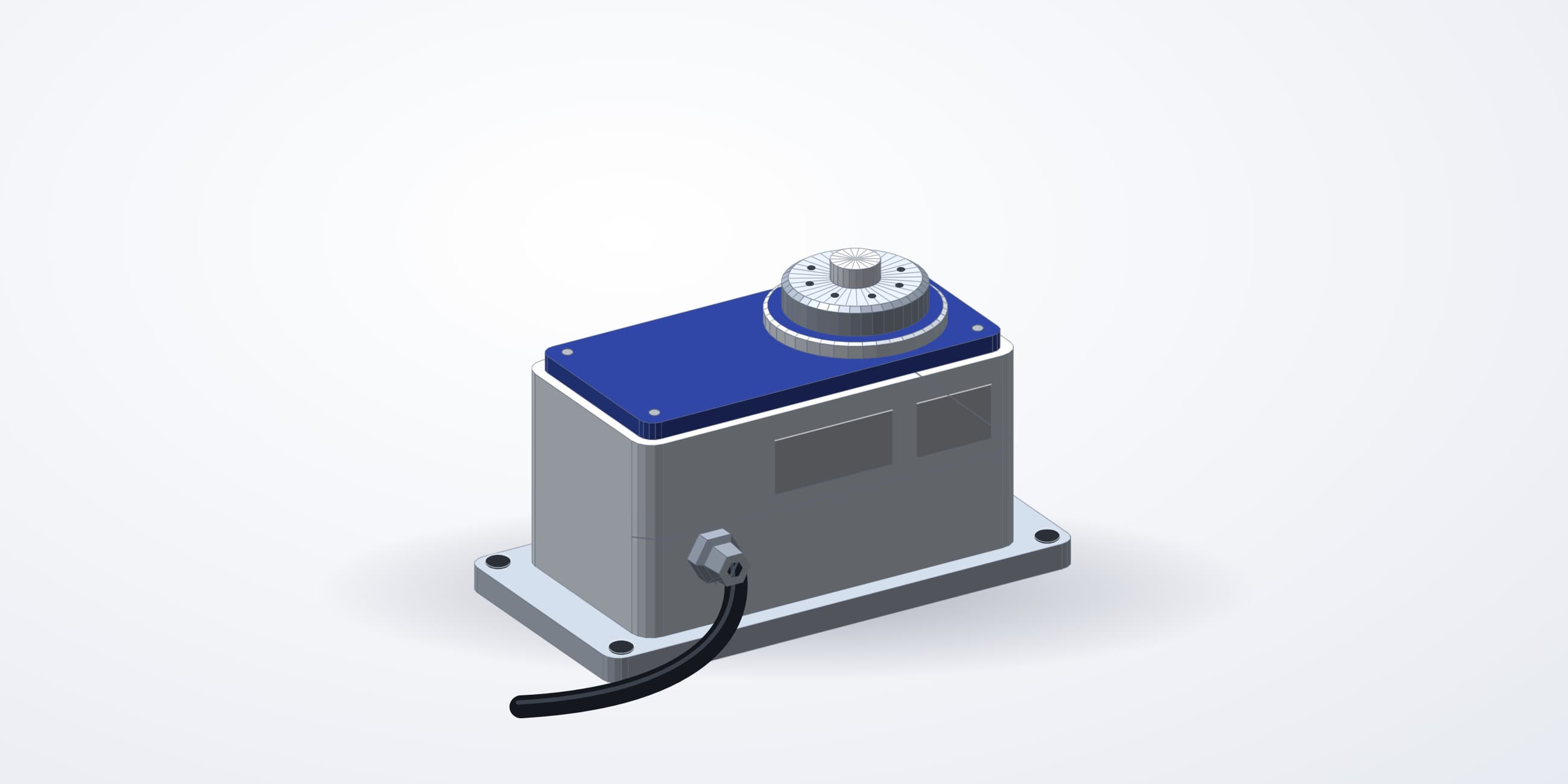
One helps engineers understand and predict behaviour. The other helps translate engineering requirements into functioning physical systems.
But neither discipline exists in isolation.
For aerospace, defence and advanced industrial applications, the interaction between digital models, mechanical hardware, electronics, controls and physical testing is often where the most demanding engineering work takes place.
Three Areas. One Engineering Direction.
Over the past two years, SIKKA Group has been strengthening its technical capabilities, partnerships and internal organisation.
An important part of this evolution is bringing our activities together around three complementary business areas:
EQUIPMENT & TECHNOLOGY
Engineering equipment, specialised technologies, components and systems that support demanding industrial applications.
PROJECTS & SERVICES
Engineering execution, systems integration, project delivery and technical services across the equipment and system lifecycle.
SOFTWARE & SIMULATION
Digital engineering technologies that support design, analysis, modelling, simulation and virtual product development.
These are not intended to operate as isolated businesses.
The objective is to improve how engineering knowledge, technical resources and project responsibilities move between teams.
A simulation engineer should understand the constraints of physical integration. A systems engineer should consider how equipment will be manufactured, tested and maintained. Quality and documentation must support engineering execution throughout the process, rather than becoming an administrative exercise at the end.
The value lies in the connections between these disciplines.
Design. Integrate. Validate.
Three principles capture the engineering philosophy guiding our development.
DESIGN
Understand requirements, investigate physical behaviour, explore alternatives and develop an engineering solution.
INTEGRATE
Bring components, technologies and engineering disciplines together into a coherent, functioning system.
VALIDATE
Evaluate performance against defined requirements through analysis, inspection, testing and engineering evidence.
These are not simply three consecutive stages.
A test result may lead to a design change. An integration challenge may expose an incomplete requirement. A manufacturing constraint may influence the system architecture.
Good engineering depends on maintaining this feedback loop.
Dashed: an integration challenge may expose an incomplete requirement. Solid return: a test result may lead to a design change.
Building Capability, Not Just Capacity.
For SIKKA Group, growth is not only about adding people, software, equipment or product lines.
It is about developing the technical depth and organisational capability to undertake increasingly complex engineering responsibilities.
Our technology partnerships provide access to specialised tools and expertise. Our engineering teams apply these capabilities to technical problems. Our equipment, projects and manufacturing activities bring us closer to physical execution.
The opportunity is to make these capabilities work more effectively together.
That requires continued investment in engineering knowledge, people, processes, quality and collaboration across the group.
It is a direction we are actively building towards.
Engineering What Comes Next.
Aerospace, defence and advanced industrial systems increasingly demand coordination between mechanical, electrical, software, controls and manufacturing disciplines.
But the fundamental challenge remains familiar.
A system must work beyond the model, beyond the drawing and beyond the individual component.
The real advantage is not simply having more engineering capabilities. It is making those capabilities work better together.
That is the direction of SIKKA Group.

